PJAG Uncategorized The Role of Social Network Sites in Knowledge Acquistion

The Role of Social Network Sites in Knowledge Acquistion

current affairs

Current affairs is an umbrella term for the news items and events that take place in the world at any given time. This includes incidents and events that are happening now, but also ones that stretch back into the past and continue in the present.

The Reach of Current Affairs

There is a lot of information that can be found in the news, but not all of it is relevant to an exam. Hence, it becomes necessary to know which things to read and which things to avoid while preparing for any competitive exam.

The Meaning of Current Affairs

Having an in-depth knowledge of current affairs is a vital skill for students who are preparing for any government examination. It is important to know what events are taking place in the country and abroad and how they affect people on a global scale.

It is also essential to understand the historical context of these events so that you can better interpret them. This is one of the most common topics that are asked in competitive exams.

The Role of Social Network Sites in Knowledge Acquistion

With the rapid rise of social media, a critical question has emerged: How does the consumption of online information affect citizens’ ability to learn about current affairs? This is a key issue for the future of democracy, where knowledge about politics and current affairs is crucial to participation in decision-making.

This is why a study was conducted to analyze the impact of social network sites (SNS) on knowledge acquisition in The Netherlands. This study was designed to investigate the relationship between SNS use and the uptake of current affairs knowledge using a cross-sectional survey.

The results of the study suggest that there is a positive correlation between SNS use and the uptake of knowledge about current affairs. This is supported by the fact that the majority of respondents reported to receive their news partly via these social networks. However, it is important to note that this result does not necessarily mean that SNS use directly contributes to the uptake of knowledge about current affairs.

Rather, the association between SNS usage and the uptake of knowledge about current affairs is likely to be a selection mechanism in which SNS use is the outcome of a person’s interest in these topics. Moreover, this result may be affected by the fact that knowledge about current affairs is dynamic and thus subject to change over time.

This research provides strong evidence that Twitter use positively correlates with the uptake of current affairs knowledge, whereas Facebook usage negatively correlates with it. This is supported by the fact that social network site use and knowledge about current affairs are closely related in The Netherlands, a country with high Internet penetration and a large number of users of these sites.

Related Post

Party All Night: Ho Chi Minh City’s Dance ClubsParty All Night: Ho Chi Minh City’s Dance Clubs

호치민마사지

Discover the top guide to Ho Chi Minh City’s 호치민마사지 electrifying nightlife! Explore vibrant dance clubs catering to various tastes. Whether you’re a seasoned partygoer or a first-time visitor, this city has something for everyone. Uncover the best clubs for an all-night party experience! #HoChiMinhCity #nightlife #danceclubs

Embracing the Nightlife Culture in Ho Chi Minh City

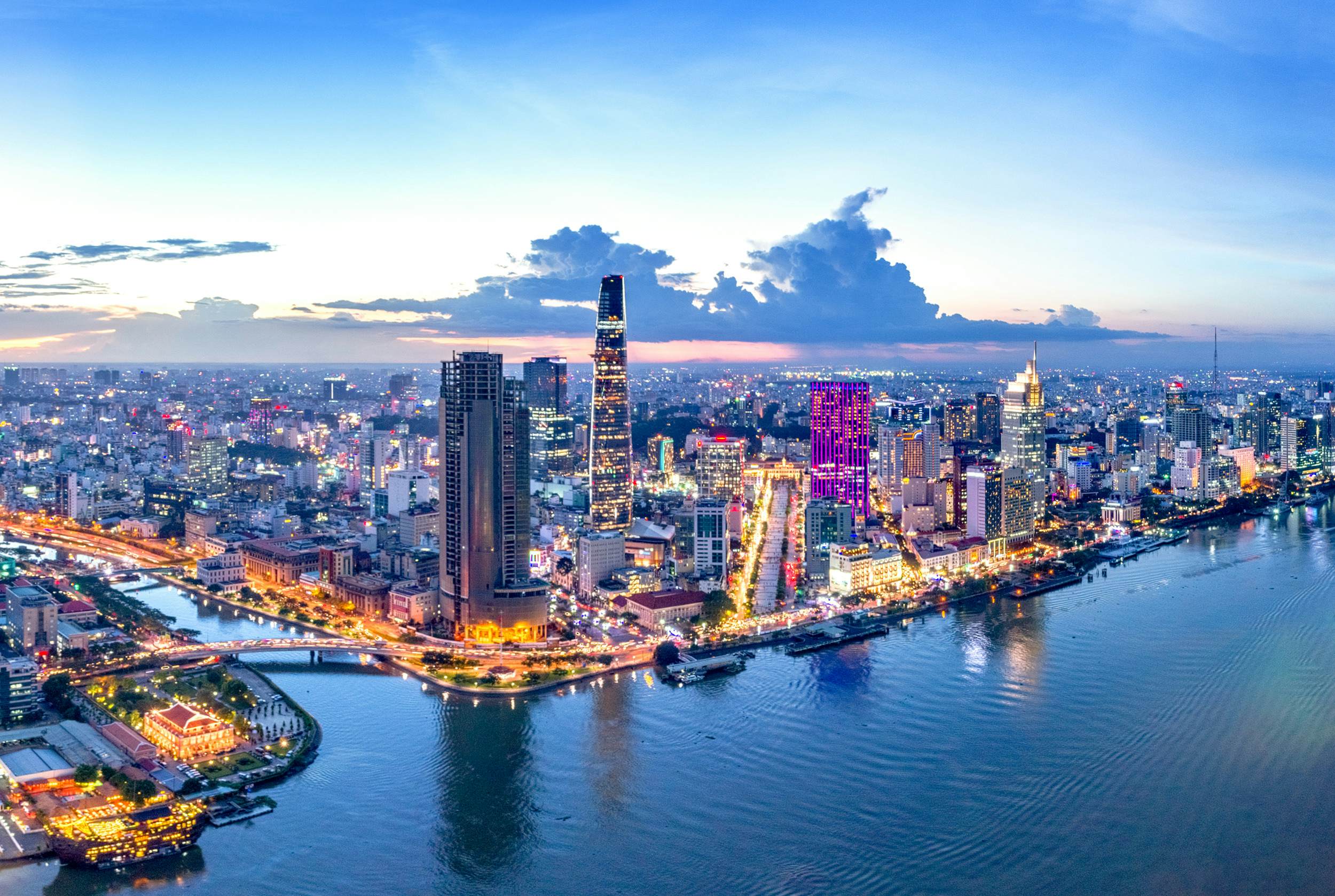
Ho Chi Minh City, previously named Saigon, serves not only as Vietnam’s economic core but also as a vibrant metropolis that thrives at nightfall. Its nightlife has earned global recognition for its variety, featuring upscale rooftop bars and underground clubs vibrating with pulsating beats. Within this nocturnal realm, dance clubs reign as the heart of jubilation and thrill.

Unveiling the Top Dance Clubs

1. Lush Nightclub

Nestled in the vibrant District 1, Lush Nightclub epitomizes glamour and extravagance. Featuring cutting-edge sound systems and captivating light displays, the club provides an unmatched experience for fans of electronic music. With stylish decor and a lineup of top DJs, Lush promises an unforgettable evening of dancing and socializing.

2. Apocalypse Now

For those seeking a more eclectic vibe, Apocalypse Now remains a perennial favorite. Situated in a historic building, this club combines retro charm with contemporary beats. From disco classics to the latest chart-toppers, Apocalypse Now attracts a diverse crowd eager to groove on its dance floor till the early hours.

3. Glow Skybar

Experience sophistication at its peak at Glow Skybar, situated atop a skyscraper in District 1. With sweeping panoramas of the city skyline, this destination captivates cosmopolitan revelers. Revel under the starlit sky, indulging in handcrafted cocktails while immersing yourself in live DJ sets ranging from deep house to hip-hop.

4. XOXO Club

Nestled in the trendy Thao Dien neighborhood, XOXO Club embodies a fusion of intimacy and energy. This boutique club attracts a discerning crowd with its curated music selection and plush interiors. Step into XOXO for an exclusive night of rhythm and revelry, complemented by personalized service and a vibrant ambiance.

5. Chill Skybar

Experience the epitome of sophistication at Chill Skybar, an iconic destination renowned for its chic rooftop setting and premium cocktails. Located in District 1, this club offers a refined atmosphere ideal for unwinding after a day of exploration. Dance to eclectic beats while soaking in breathtaking views of Ho Chi Minh City’s skyline.

Planning Your Night Out

Tips for a Memorable Night

  • Dress Code: While Ho Chi Minh City embraces diverse styles, many clubs enforce a smart casual dress code. Opt for trendy attire that reflects your style while adhering to club guidelines.
  • Reservations: To ensure seamless entry, consider making reservations, especially during weekends and holidays. Many popular clubs offer VIP packages that include perks such as priority access and reserved seating.
  • Transportation: Navigate the city’s nightlife safely by arranging transportation in advance. Taxis and ride-sharing services are readily available, providing convenient options for getting to and from your chosen venue.

Embracing Diversity and Inclusivity

Dance clubs in Ho Chi Minh City embrace visitors from diverse backgrounds, creating an inclusive atmosphere that celebrates differences. Whether you’re exploring solo, with friends, or as a couple, there’s a club to match your unique style and desires.

Conclusion

In closing, Ho Chi Minh City shines brightly as a hub of nocturnal excitement in Southeast Asia, boasting a diverse range of dance clubs to suit every inclination and mood. Whether you fancy the sophistication of rooftop bars or the enigmatic charm of cozy venues hidden from view, the city’s lively nightlife guarantees an unforgettable time. Chart your evening, surrender to the pulsating rhythms, and allow Ho Chi Minh City’s dance spots to spark your spirit of exploration and delight.

Embrace the youthful night as the vibrant city beckons you. Discover, dance, and immerse yourself in the enchantment of Ho Chi Minh City’s dance clubs—a truly unforgettable experience awaits you!

GO BACK TO THE  MAIN PAGE

Read MoreRead More

The Journalism’s 5 Most Inspirational Journalists: Their Stories Will Amaze YouThe Journalism’s 5 Most Inspirational Journalists: Their Stories Will Amaze You

Introduction:

Inspirational journalists

Journalism is a challenging and often dangerous profession, but it is also one of the most important. Journalists have the power to inform, inspire, and change the world through their reporting. In this article, we’ll take a closer look at the lives and stories of some of the most inspirational journalists in the industry.

Christiane Amanpour:

Christiane Amanpour is one of the most well-known and respected journalists in the world. She has worked for CNN, ABC News, and now hosts her own show on PBS. Amanpour is known for her fearless reporting and her dedication to uncovering the truth, even in the face of danger. She has reported from war zones and conflict zones all over the world and has won numerous awards for her reporting.

Bob Woodward:

Bob Woodward is a legendary journalist and author who is best known for his coverage of the Watergate scandal. His reporting, along with that of his colleague Carl Bernstein, led to the resignation of President Richard Nixon. Woodward has continued to be a leading voice in American journalism, and his reporting on national security and politics has won him numerous awards and accolades.

Martha Gellhorn:

Martha Gellhorn was a pioneering journalist who covered some of the most significant events of the 20th century, including the Spanish Civil War and World War II. She was known for her fearless reporting and her dedication to telling the stories of the people affected by war and conflict. Gellhorn’s reporting on the horrors of war helped to shape public opinion and inspire change.

Ida B. Wells:

Ida B. Wells was a trailblazing journalist and civil rights activist who fought against racial injustice and discrimination. She used her platform as a journalist to expose the truth about lynching and to advocate for the rights of African Americans. Wells’s reporting helped to shed light on the horrors of racial violence and paved the way for the civil rights movement.

Anderson Cooper:

Anderson Cooper is a journalist and TV personality who is known for his coverage of breaking news and current events. He has worked for CNN for over 20 years and has reported on some of the most significant events of our time, including Hurricane Katrina, the Haiti earthquake, and the war in Iraq. Cooper is also an advocate for social justice and human rights, and his reporting has helped to shed light on important issues around the world.

Conclusion:

The lives and stories of these five inspirational journalists serve as a reminder of the power and importance of journalism. Their dedication to uncovering the truth, telling important stories, and advocating for social justice has inspired countless others to follow in their footsteps. We hope that our article has shed some light on these remarkable individuals and their contributions to the field of journalism.

GO BACK TO HOME

Read MoreRead More

Match Days Abroad: How Football Becomes Part of the Travel Experience Live BolaMatch Days Abroad: How Football Becomes Part of the Travel Experience Live Bola

Match Days Abroad: How Football Becomes Part of the Travel Experience

Travel is usually planned around places rather than sports. Visitors choose cities for food, history, scenery, family holidays, business, or cultural experiences. Yet an important football match can unexpectedly become one of the moments that defines how a traveler remembers a destination.

A match does not need to be the main reason for the trip. Simply arriving in a city on an important football day can change what a visitor sees. Supporters appear on public transport, cafés become crowded, team colors fill the streets, and conversations repeatedly return to what will happen later.

For modern travelers, digital information makes it easier to understand these moments while also remaining connected with competitions followed at home. Football can therefore exist in two places at once: as part of the culture being discovered abroad and as a familiar interest carried throughout the journey.

Match Day Can Change the Atmosphere of an Entire Area

Cities do not behave exactly the same way every day. Festivals, public celebrations, concerts, markets, and sporting events can temporarily change how neighborhoods function.

Football provides an especially visible example because supporters often begin gathering well before the match itself. Streets surrounding a stadium become more active, transportation grows busier, and restaurants may fill with groups preparing for the event.

A traveler who understands why this is happening sees more than a crowded street.

The activity becomes part of the social character of the destination.

Football Can Lead Visitors Away From the Standard Tourist Route

Many popular travel itineraries concentrate visitors around a relatively small number of attractions.

Football can provide a reason to explore other districts. Stadium neighborhoods may contain residential areas, local restaurants, community spaces, markets, and businesses that rarely appear near the top of conventional sightseeing lists.

Moving beyond tourist centers can reveal how residents actually use their city.

The stadium becomes a geographic starting point for understanding a different part of the destination rather than simply an attraction by itself.

Supporter Culture Offers a Window Into Local Identity

Football supporters frequently develop traditions that reflect the places where they live.

These traditions can include songs, gathering locations, clothing, food, club symbols, and routines followed before or after matches.

Visitors do not need to imitate local supporters to appreciate these customs.

Observing them respectfully can provide insight into how football connects with neighborhood identity and community history.

Match-Day Food Can Become Part of the Travel Memory

Food and sport often meet through social gathering.

Supporters may prefer particular cafés, street-food areas, restaurants, or simple meals before heading toward a venue. These habits can differ greatly between destinations.

For travelers interested in local food, a match day creates an opportunity to see where residents actually gather rather than relying entirely on visitor-oriented recommendations.

The meal may ultimately become as memorable as the football atmosphere surrounding it.

Public Transport Reveals the Movement of a Sporting City

Transportation provides another way to experience match day.

Train platforms, buses, and stations may gradually fill with supporters traveling in the same direction. Visitors can see how the stadium connects physically with different parts of the city.

This also has practical consequences.

Travelers who are not attending the event may need additional time for transportation, while those going to the match benefit from understanding which routes become busiest.

Travelers Can Keep Their Home Football Routine Without Missing the Destination

Exploring football abroad does not mean supporters stop caring about the competitions they normally follow.

A Malaysian traveler may spend the afternoon discovering a local stadium district while still wanting to know when an important match involving a familiar club begins later.

During that process, a Malay-speaking supporter may encounter Live Bola while checking football schedules and match-related information relevant to competitions followed in Malaysia and overseas.

Digital access allows these two experiences to coexist without requiring the traveler to organize the entire day around a screen.

Local Time Can Completely Change the Match Routine

Football fans often remember familiar kickoff patterns rather than specific international time conversions.

Travel disrupts those habits. A match normally watched late at night might occur during dinner at the destination, while another event could fall in the middle of a sightseeing day.

Checking local time before making plans prevents simple mistakes.

It also helps travelers decide whether following a particular match is realistic or whether catching up afterward makes more sense.

Not Every Football Experience Requires a Match Ticket

Tickets for major fixtures can be difficult to obtain, and travelers should use legitimate channels when attending events.

However, experiencing local football culture does not necessarily depend on entering a stadium.

A visitor can explore the surrounding district, learn about club history, see supporter gathering areas, or observe the wider atmosphere of the city.

These experiences can be valuable even when the actual match is not part of the itinerary.

Stadiums Can Tell Stories About Urban History

Sports venues often develop alongside the cities that surround them.

Some stadium districts have changed dramatically through redevelopment, while others remain closely connected with longstanding residential communities.

Looking at the stadium in this broader context makes it more than a place where matches happen.

It can become a way to understand architecture, transportation, neighborhood development, and the changing role of public entertainment.

Football Makes Conversation Easier While Traveling

Visitors often interact with local residents only through hotels, restaurants, shops, and transportation.

A shared sporting interest can create a more informal conversation. Asking about a local club or an upcoming match often invites opinions, memories, and stories rather than simple factual answers.

These conversations can reveal how residents see their own city.

They may also produce useful recommendations about neighborhoods, food, or places that the traveler had not considered visiting.

Travel Can Introduce Fans to Completely New Competitions

A supporter may arrive with strong knowledge of one football league and very little awareness of another.

Local media, conversations, and match-day activity can expose visitors to clubs and competitions that receive limited attention at home.

Curiosity often begins with a simple question about why so many people are wearing the same colors.

By the end of the trip, the traveler may have gained a new team, league, or football culture to follow casually in the future.

Digital Information Helps Explain Unfamiliar Sporting Context

Noticing a crowd is easy; understanding why a particular match matters may require additional context.

A traveler can use digital information to learn whether the teams are rivals, whether the fixture affects a title race, or whether the competition has historical significance.

This background makes the physical experience more meaningful.

The best use of the phone is often to answer a few questions and then return attention to what is happening in the city itself.

Football Can Connect Travelers With Other Visitors

Shared sporting interests also create relationships between travelers.

A club shirt in an airport, hotel, or café can begin a conversation between people from completely different countries.

They may exchange football opinions first and travel recommendations later.

Sport becomes a simple social bridge because neither person needs detailed knowledge about the other’s background before finding something to discuss.

Major Matches Can Influence Practical Travel Decisions

Even travelers with little interest in football may benefit from checking whether a significant event is taking place.

Large matches can affect transportation demand, restaurant availability, traffic patterns, and activity around particular districts.

This does not mean every fixture dramatically changes a city.

It simply means the sporting calendar can occasionally become useful travel information, particularly near major venues and high-interest events.

Travel Companions May Have Different Levels of Interest

A football fan traveling with family or friends should remember that not everyone will want the sport to shape the itinerary.

Digital media makes compromise easier. Important schedules can be checked quickly, results can be reviewed later, and only genuinely meaningful football experiences need to take significant time from the trip.

The same principle works in reverse.

A non-fan may still enjoy visiting an interesting stadium district or experiencing match-day atmosphere because those activities also reveal something about the destination.

Football Works Best as One Layer of the Journey

The strongest travel experiences are usually made from several interests rather than one.

A day might include architecture, local food, a market, a conversation with residents, and an unexpected football atmosphere before ending somewhere completely unrelated to sport.

Football adds another way to understand the destination without needing to dominate it.

For supporters, this balance is particularly rewarding because familiar sporting interests become connected with new places and experiences.

Match Days Can Become Lasting Travel Memories

Travelers often remember unusual days more clearly than perfectly planned ones.

Finding a neighborhood unexpectedly filled with supporters, hearing songs from a nearby gathering, discussing a club with a local resident, or discovering an unfamiliar football tradition can become one of those memories.

Digital tools help travelers understand what they are seeing, but the lasting part of the experience usually comes from the physical place and the people within it.

That is why football fits naturally into travel. Matches provide a temporary event, while the surrounding culture reveals something more permanent about how communities gather, express identity, and experience their city. For a visitor abroad, match day can therefore become much more than a sporting schedule—it can become part of understanding the destination itself.


Read MoreRead More