
PJAG Uncategorized How to Optimize Your Website and Social Channels 야구무료중계

How to Optimize Your Website and Social Channels 야구무료중계

야구무료중계

Optimizing your website and social media channels for sports broadcasting SEO is crucial to enhance visibility, reach, and engagement. Whether you’re running a sports streaming service, creating a sports news blog, or managing the digital presence of a sports team, SEO can significantly elevate your online presence. In this comprehensive guide, we will explore the essential strategies for optimizing your website and social channels for SEO with a focus on sports broadcasting 야구무료중계.

Table of Contents

  • Introduction to Sports Broadcasting SEO
  • Keyword Research for Sports Broadcasting
  • On-Page SEO Strategies for Sports Broadcasting Websites
    • Optimizing Content
    • Meta Tags and Descriptions
    • Optimizing Images and Media
  • Technical SEO for Sports Broadcasting
    • Website Speed and Performance
    • Mobile Optimization
    • Schema Markup for Sports Events
  • Off-Page SEO for Sports Broadcasting
    • Backlink Building
    • Collaborations and Guest Posts
  • Social Media Optimization for Sports Broadcasting
    • Content Sharing and Engagement
    • Hashtags and Trends
    • Video Marketing for Social Media
  • Local SEO for Sports Broadcasting
    • Optimizing for Local Searches
    • Google My Business Optimization
  • Monitoring and Analytics
    • Tracking Performance with Google Analytics
    • Using Social Media Insights
  • Conclusion

Introduction to Sports Broadcasting SEO

Sports broadcasting SEO is the practice of optimizing your website and social media content to increase visibility on search engines, attract organic traffic, and engage sports enthusiasts. In the competitive world of sports media, ranking high on search engines like Google is essential for gaining a wider audience. A combination of website optimization, social media strategies, and targeted content creation is key to boosting your sports broadcasting presence.

Keyword Research for Sports Broadcasting

Before diving into SEO strategies, it is essential to identify the right keywords. Keywords are the foundation of SEO, and selecting the right ones can help you rank higher in search engine results.

Identifying Core Keywords

Start by identifying core keywords related to your niche in sports broadcasting. These may include:

  • General Sports Terms: “sports live stream,” “live sports broadcasting,” “watch sports online.”
  • Specific Sports: “soccer live stream,” “basketball highlights,” “eSports tournaments live.”
  • Local Keywords: “watch soccer in [City Name],” “basketball broadcasts [Location].”
  • Trending Keywords: Keep an eye on trending topics, such as upcoming major sports events or viral moments.

Long-Tail Keywords

Long-tail keywords are more specific and less competitive, making them easier to rank for. For example, instead of using the broad term “soccer live stream,” consider “live soccer streams for [specific league].” These keywords can attract highly targeted traffic.

Tools for Keyword Research

Use tools like Google Keyword Planner, SEMrush, and Ahrefs to discover high-volume keywords and analyze your competitors’ performance. Once you have a list of keywords, it’s time to strategically incorporate them into your website and content.

On-Page SEO Strategies for Sports Broadcasting Websites

On-page SEO refers to the optimization of content and structure directly on your website. This includes everything from the use of keywords to content formatting.

Optimizing Content

Content is at the heart of SEO, especially for sports broadcasting. High-quality, informative content will engage your audience and help your site rank higher in search results.

  1. Content-Length: Google tends to favor longer content (1500-3000+ words) as it demonstrates authority and depth. For sports broadcasting, ensure your content includes detailed event analysis, game highlights, player stats, and more.
  2. Content Relevance: Keep your content relevant to the specific sport or event you’re covering. Use live game commentary, interviews, and match analysis to engage your audience.
  3. Keyword Usage: Incorporate your targeted keywords naturally within your content. This includes the title, subheadings, body text, and image alt text.
  4. Regular Updates: Update your content regularly, especially during major sporting events. Fresh content signals to Google that your website is active and relevant.

Meta Tags and Descriptions

Meta tags and descriptions are critical for SEO, as they tell search engines what your page is about and help improve click-through rates (CTR).

  1. Title Tags: Ensure your title tag is concise and includes the primary keyword. For example, “Watch Live Soccer Games Online – Best Streaming Service.”
  2. Meta Descriptions: Write compelling meta descriptions that encourage users to click. Include relevant keywords and make sure it’s within the 160-character limit.
  3. Header Tags (H1, H2, H3): Use header tags to organize content. Your primary keyword should appear in the H1 tag (main title), while related keywords can be used in the H2 and H3 tags.

Optimizing Images and Media

Sports broadcasting relies heavily on images and videos. Optimizing them for SEO ensures they contribute to the visibility of your website.

  1. Image Alt Text: Use descriptive alt text for all images, such as “soccer game live stream” or “basketball player highlights.”
  2. Video Optimization: If you have video content, ensure it is embedded properly. Add keywords to your video descriptions and titles to improve video searchability.
  3. Compression: Ensure images and videos are optimized for fast loading by compressing their size without losing quality.

Technical SEO for Sports Broadcasting

Technical SEO focuses on improving the technical aspects of your website to enhance user experience and search engine crawling.

Website Speed and Performance

Website speed is a crucial ranking factor for Google, and it’s especially important for sports broadcasts, where users expect real-time access. If your site is slow, visitors may leave before they even see your content.

  1. Optimize for Speed: Use tools like Google PageSpeed Insights to identify areas of improvement. Compress images, minify CSS and JavaScript files, and implement caching strategies.
  2. Content Delivery Networks (CDN): Use CDNs to distribute your content to global audiences, ensuring fast loading times even during high-traffic periods.

Mobile Optimization

More users are accessing sports broadcasts via mobile devices, making mobile optimization a must.

  1. Responsive Design: Ensure your website adjusts seamlessly to different screen sizes, from smartphones to desktops.
  2. Mobile-Friendly Navigation: Streamline the navigation process for mobile users. Simplified menus and quick access to live sports events can improve user experience.

Schema Markup for Sports Events

Schema markup helps search engines understand your content better and can improve your visibility in search results.

  1. Event Schema: Add schema markup for sports events to enhance visibility in Google’s rich snippets. This could include event dates, location, and live-streaming links.
  2. Player Stats Schema: For player performance analytics, use schema to display structured data that can be pulled into search results.

Off-Page SEO for Sports Broadcasting

Off-page SEO includes activities outside your website that improve its ranking, primarily through backlinks and external partnerships.

Backlink Building

Quality backlinks are one of the strongest ranking factors for Google. To acquire backlinks:

  1. Reach Out to Sports Blogs: Collaborate with established sports blogs or media websites to get featured or link to your content.
  2. Guest Posting: Write guest posts for other sports-related websites, including relevant backlinks to your site.
  3. Sponsor Sports Events: Consider sponsoring sports events and getting backlinks from their websites or coverage.

Collaborations and Guest Posts

Collaborating with sports influencers and guest posting on reputable websites is a great way to boost your authority and backlinks.

  1. Influencer Marketing: Partner with sports influencers who have large social media followings. This can drive traffic to your site and help build backlinks.
  2. Press Releases: When your platform hosts significant sports events, issue press releases and make sure they link back to your website.

Social Media Optimization for Sports Broadcasting

Social media plays a crucial role in driving traffic and engagement for sports broadcasters. The right strategy can help you connect with fans and increase your website’s reach.

Content Sharing and Engagement

  1. Real-Time Updates: Post live updates on your social channels about ongoing games, highlights, and scores.
  2. Interactive Posts: Engage with your audience by hosting polls, live Q&A sessions, and quizzes.

Hashtags and Trends

Hashtags can help you get discovered by a broader audience.

  1. Use Popular Sports Hashtags: Use relevant, trending hashtags like #LiveSoccer, #BasketballHighlights, or #eSportsNews.
  2. Event-Specific Hashtags: During major sporting events, use event-specific hashtags to reach fans searching for updates.

Video Marketing for Social Media

Videos are a powerful tool in sports broadcasting.

  1. Game Highlights: Post short, exciting video clips from recent games on social platforms.
  2. Behind-the-scenes Content: Share exclusive behind-the-scenes footage to engage fans and drive traffic back to your website.

Local SEO for Sports Broadcasting

Local SEO helps attract local fans and sports enthusiasts, especially for region-specific broadcasts.

Optimizing for Local Searches

  1. Local Keywords: Target location-specific keywords like “watch soccer in [City],” or “basketball live stream in [Region].”
  2. Local Content: Create content that’s specific to your local audience, such as event previews or interviews with local athletes.

Google My Business Optimization

  1. Claim Your Listing: For sports teams, sports bars, or event venues, ensure your Google My Business listing is accurate and up-to-date.
  2. Local Reviews: Encourage fans to leave positive reviews, as these can improve local rankings.

Monitoring and Analytics

Once your SEO strategies are in place, it’s crucial to monitor performance and adjust tactics.

Tracking Performance with Google Analytics

  1. Monitor Traffic Sources: Track where your traffic is coming from, whether it’s organic search, social media, or direct links.
  2. User Behavior: Analyze how users interact with your website, which pages they visit most, and how long they stay.

Using Social Media Insights

Most social platforms provide built-in analytics tools to track engagement metrics, such as likes, shares, and comments. Use these insights to refine your content strategy.

Conclusion

Optimizing your website and social channels for sports broadcasting SEO requires a combination of on-page, off-page, and technical strategies. By focusing on relevant keywords, creating engaging content, building quality backlinks, and utilizing social media, you can enhance your digital presence and rank higher on search engines. With the right approach, your sports broadcasting platform can become a go-to source for fans worldwide, driving more traffic and engagement in the long run.

GO BACK TO THE  MAIN PAGE

Related Post

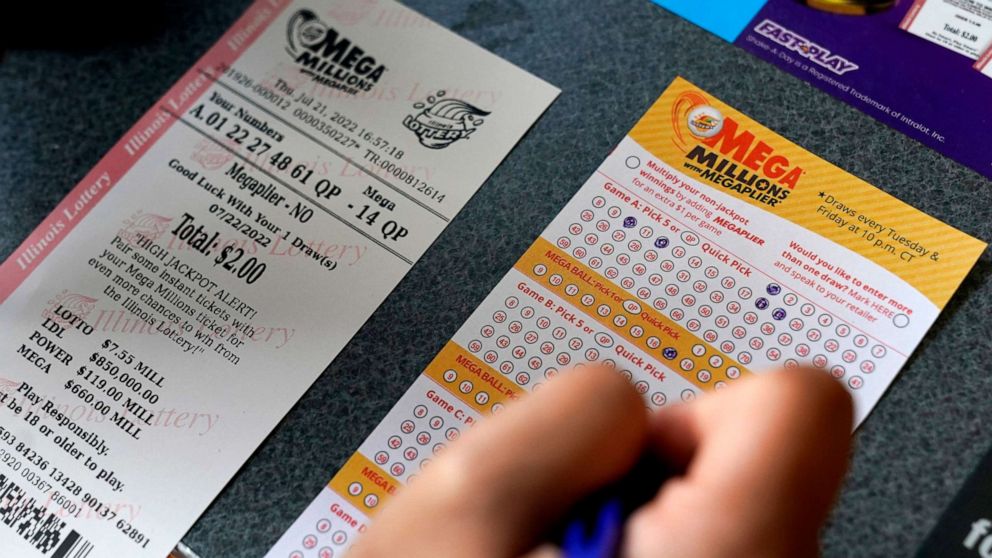
Top 10 Myths About Winning Mega Millions BustedTop 10 Myths About Winning Mega Millions Busted

미국복권

In the realm of lottery dreams, Mega Millions 미국복권 stands as a beacon of hope, promising life-changing fortunes with every draw. However, amidst the excitement and anticipation, myths and misconceptions about winning the Mega Millions jackpot abound. In this comprehensive guide, we debunk the top 10 myths surrounding the Mega Millions lottery, shedding light on the truths that every hopeful player should know.

Myth 1: Only Lucky Numbers Win

Many hold the belief that specific numbers hold the key to winning the Mega Millions jackpot, attributing luck to certain digits. However, amidst personal preferences and superstitions, it is crucial to acknowledge that the drawn numbers are entirely random. The odds of winning stay consistent, irrespective of the numbers one selects.

Myth 2: Playing More Increases Your Chances

Some believe that buying more tickets enhances their odds of winning. While it’s true that purchasing multiple tickets gives you more number combinations, it doesn’t significantly increase your chances of hitting the jackpot. Each ticket remains a tiny fraction of the total number of possible combinations.

Myth 3: Small Jackpots Are Easier to Win

Despite common misconceptions, the size of the jackpot has no impact on your chances of winning. Whether the prize is modest or monumental, your odds of hitting the Mega Millions jackpot remain constant. Each drawing represents a distinct event with uniform probabilities.

Myth 4: Quick Picks Are Less Likely to Win

Quick Picks, or randomly generated numbers by the computer, are often distrusted by players who prefer selecting their numbers. However, statistically, there is no difference in the likelihood of winning between Quick Picks and manually chosen numbers. Both methods are purely random.

Myth 5: Winning Numbers Are Predictable

Some believe that patterns or sequences in past winning numbers can predict future outcomes. In reality, each Mega Millions draw is a random event, unaffected by previous results. The notion of hot or cold numbers is a fallacy unsupported by statistical evidence.

Myth 6: Winning the Lottery Will Solve All Your Problems

Although winning the Mega Millions jackpot can ease financial pressures, it isn’t a one-size-fits-all remedy for life’s hurdles. Strategic financial planning and wise handling of newfound riches are vital for securing lasting financial stability and contentment.

Myth 7: You Can Remain Anonymous After Winning

Numerous victors aspire to maintain the confidentiality of their recently acquired riches, yet achieving this can prove elusive. Certain states mandate that lottery winners reveal their identities to the public. Even in states allowing anonymity, concealing such a substantial stroke of luck presents its own set of difficulties.

Myth 8: Lottery Winnings Are Tax-Free

Lottery prizes, including those from Mega Millions, are liable to federal and state taxes. Depending on your location, taxes can substantially diminish your winnings. Consulting financial advisors is crucial to grasp your tax responsibilities and strategize effectively.

Myth 9: The Lottery Is Rigged

Conspiracy theories about the lottery being rigged or manipulated abound, but state lotteries like Mega Millions are highly regulated and subject to rigorous oversight to ensure fairness and transparency in every draw. Rigging a lottery would be virtually impossible without detection.

Myth 10: You Can Increase Your Chances with Lottery Systems

Various lottery systems and strategies claim to improve your chances of winning the jackpot. However, the random nature of Mega Millions renders these systems ineffective. Lottery systems often rely on flawed logic or misinterpretations of probability, offering no real advantage.


Conclusion

Navigating the world of Mega Millions requires understanding the facts from the myths. By dispelling these misconceptions, players can approach the lottery with realistic expectations and informed strategies. Remember, while winning the Mega Millions jackpot is an enticing possibility, it’s essential to play responsibly and enjoy the thrill of the game responsibly. For more insights and tips on maximizing your lottery experience, stay tuned to reliable sources and authoritative resources. Happy playing!

GO BACK TO THE  MAIN PAGE

Read MoreRead More

Casino Gambling Psychology: Understanding Player BehaviorCasino Gambling Psychology: Understanding Player Behavior

카지노api

In the realm of casino 카지노api gambling, comprehending player behavior is paramount for both the players and the casinos that serve them. From the magnetic pull of slot machines to the strategic maneuvers at the poker table, the intricate psychology behind gambling behaviors is multifaceted and intriguing. This detailed guide explores the myriad factors influencing player conduct in casinos, providing valuable insights to assist players and operators in navigating the complex dynamics of the gambling world.

The Allure of Casino Gambling

Casino gambling possesses a captivating charm that surpasses borders and cultures. Whether it’s the glamorous ambiance, the excitement of luck, or the promise of significant rewards, casinos entice millions globally. Delving into the motivations behind gambling is crucial for a deeper insight into human behavior.

The Psychological Appeal

Fundamentally, casino gambling delves into key aspects of human psychology.

  • Risk and Reward: Risk-taking is intrinsic to gambling, drawing individuals in with promises of financial or emotional rewards.
  • Escapism: For numerous individuals, the casino serves as a gateway from the monotonous routines of daily existence. It presents a chance to embrace thrill and unpredictability.
  • Social Interaction: Casinos act as vibrant social centers, fostering connections among individuals with shared interests. Visitors engage, bond, and revel in a community spirit at these establishments.

The Role of Dopamine

Dopamine, a neurotransmitter linked to pleasure and reward, exerts a profound influence on the psychology of gambling. Following a win, dopamine levels surge in the brain, reinforcing the behavior and prompting continued gambling. This cycle fuels the formation of gambling tendencies and addiction in vulnerable individuals.

Psychological Factors Influencing Gambling Behavior

Several psychological factors influence how individuals approach gambling and make decisions within a casino environment. Recognizing these factors can help both players and casino operators better understand and manage the dynamics at play.

Cognitive Biases in Gambling

  • Loss Aversion: People tend to prefer avoiding losses over acquiring gains of equal value. This bias can lead gamblers to continue playing in hopes of recovering lost money.
  • Gambler’s Fallacy: The mistaken belief that past outcomes influence future probabilities, such as assuming a series of losses increases the likelihood of a win.
  • Illusion of Control: Gamblers often overestimate their ability to influence outcomes, such as believing they have a strategy to beat the odds in games of chance.

Emotional Influences

  • Excitement and Arousal: The thrill of anticipation and the emotional highs and lows experienced during gambling contribute to its addictive nature.
  • Frustration and Euphoria: Emotional reactions to victories and defeats have the power to sway decision-making and intensify gambling tendencies.

Socio-Cultural Factors

  • Peer Influence: Social norms and peer pressure influence gambling behavior, particularly in communal environments like casinos.
  • Cultural Attitudes: Cultural perspectives on gambling exhibit vast diversity, influencing individuals’ attitudes and participation in gambling pursuits.

Understanding Problem Gambling

While the majority approach gambling responsibly, some encounter issues, leading to substantial personal and financial impacts. Problem gambling, or gambling disorder, is marked by persistent problematic behavior that interferes with personal, family, or career endeavors.

Risk Factors

Several factors contribute to the development of problem gambling:

  • Biological Vulnerabilities: Genetic predispositions and neurological factors may increase susceptibility to gambling addiction.
  • Psychological Factors: Mental health disorders that co-occur, like depression or anxiety, can worsen gambling tendencies.
  • Environmental Influences: Accessibility to gambling venues, peer influences, and exposure to gambling advertisements can all contribute to problematic gambling behaviors.

Signs and Symptoms

Recognizing the signs of problem gambling is crucial for early intervention and treatment:

  • Preoccupation with Gambling: Constant thoughts about gambling, planning future sessions, or reliving past gambling experiences.
  • Loss of Control: Inability to limit or stop gambling, despite negative consequences.
  • Financial Problems: Using savings, borrowing money, or resorting to illegal means to fund gambling activities.

Responsible Gambling Practices

Fostering responsible gambling behaviors is vital for players and casino operators alike. It helps manage the risks linked to gambling, guaranteeing a secure and pleasant experience for all involved.

Player Education and Awareness

  • Setting Limits: Establishing financial and time limits before gambling sessions can help prevent excessive losses and control gambling behavior.
  • Self-Exclusion Programs: Many casinos offer self-exclusion programs that allow individuals to voluntarily ban themselves from gambling venues.
  • Seeking Support: Encouraging individuals experiencing gambling-related problems to seek help from professional counselors or support groups.

Casino Strategies for Responsible Gambling

  • Training and Education: Providing casino staff with training to identify problem gambling behaviors and intervene appropriately.
  • Promoting Responsible Practices: Implementing policies and procedures that promote responsible gambling, such as displaying helpline numbers and resources.

Conclusion

Comprehending the psychology of casino gambling is crucial in understanding the motives behind individuals’ gambling habits and the evolution of such behaviors. Identifying the elements shaping decision-making in casinos empowers players and operators to collaborate in establishing a safer and more enjoyable gambling atmosphere. Whether driven by the excitement of risk, social connections, or neurological stimuli, the psychology of gambling illuminates the intricate dance between human conduct and the allure of games of chance.


In summary, the intricate and multifaceted nature of gambling psychology underscores the importance of delving into player behavior. These insights can guide the casino industry towards making informed decisions and promoting responsible practices. By grasping the psychological motives that drive gambling, we can cultivate a safer and more engaging environment for all involved.

GO BACK TO THE  MAIN PAGE

Read MoreRead More

Capturing Moments: Mastering the Art of PhotographyCapturing Moments: Mastering the Art of Photography

Introduction

Explore the world of photography and immortalize your cherished memories with our in-depth guide. Our comprehensive resource covers everything from mastering essential equipment and techniques to composing stunning shots and enhancing them in post-processing. Whether you’re an aspiring amateur or a seasoned professional, our guide provides expert insights to help you hone your skills and make your mark in today’s competitive digital landscape. Don’t miss out on the opportunity to take your photography to the next level.

Understanding Your Gear

Photography requires a fundamental understanding of the equipment. From essential cameras and lenses to tripods and filters, each component plays a critical role in capturing the perfect shot. Investing in a high-quality DSLR or mirrorless camera suitable for your photography needs is highly recommended. These cameras offer exceptional image quality and versatility, providing the freedom to explore various photography genres with confidence.

Expand your knowledge of lenses by exploring primary lenses for precision and zoom lenses for versatility. Each type of lens offers distinct benefits, so it’s crucial to comprehend their traits and abilities to make informed decisions when setting up your shots.

Mastering Composition

Captivating photography always starts with composition. To create visually appealing and balanced images, you need to arrange elements within the frame. Here are some essential principles to guide you.

Rule of Thirds

Master the art of composition by utilizing the fundamental principle of the rule of thirds. This crucial guideline divides the frame into a precise grid of nine uniform parts, allowing you to strategically position points of interest at their intersections and along the gridlines. Doing so creates a visually pleasing and harmonious composition that captures and holds the viewer’s attention.

Leading Lines

Maximizing the impact of your photographs can be achieved by utilizing one of the most powerful tools in photography – leading lines. Whether they are natural or man-made elements, such as roads, rivers, fences, or architectural features, leading lines direct the viewer’s gaze through an image, adding depth and dynamism to your composition. Explore the art of leading lines and elevate the impact of your photography.

Framing and Perspective

Unleash the power of framing and perspective to elevate any ordinary scene into a captivating masterpiece. Employ the natural elements around you, such as windows, archways, or trees, to create a visually stunning form of depth. Experiment with viewpoints, by crouching down or shooting from a higher location, to bring forth a fresh and unique take on your subject. With these simple yet powerful techniques, you can transform your photography skills and capture truly extraordinary moments.

Lighting Techniques

Effective lighting plays a crucial role in photography, as it has the power to influence the mood, ambiance, and overall impact of your images. Familiarizing yourself with various lighting techniques can equip you to produce stunning photographs in any scenario.

Golden Hour

Make your photos magical with the golden hour. It’s the period just after sunrise or before sunset that bathes your shots in a warm, diffused light. This creates an enchanting golden glow that will add an extra touch of beauty to your landscapes, portraits, and nature scenes. Don’t miss out on this opportunity to capture breathtaking images.

Off-Camera Flash

Learn the art of off-camera flash to enhance your skill in controlling and shaping light creatively. Incorporating external flashes or strobes into your photography produces depth, minimizes harsh shadows, and emphasizes specific aspects of your subject matter. Play with a variety of flash positions and modifiers to achieve your unique desired effect.

Post-Processing and Editing

Modern photography is not complete without post-processing. This helps photographers to perfect their images, correct any mistakes, and add their creative touch. Industry standards for this include Adobe Lightroom and Photoshop, both known for their reliability and versatility.

In the post-processing stage, you have the power to transform your photographs with precise adjustments to exposure, contrast, and color balance. Not only that, but you can elevate the visual impact of your work by utilizing creative filters, removing blemishes, and fine-tuning even the smallest of details. Take control of your images and bring your vision to life.

Sharing Your Work

In the digital era, displaying your photography has become effortless with the rise of social media platforms. By creating an online portfolio, you can display your skills, connect with fellow photographers, and receive constructive criticism to strengthen your craft. Here are some guidelines for sharing your snapshots successfully.

Create a Portfolio Website

A portfolio website is a go-to destination for showcasing your top work. Whether for potential clients, art lovers, or even personal acquaintances, it’s crucial to create a visually stunning and user-friendly platform that presents your images in the best possible light. Impress others with high-resolution imagery and an intuitive browsing experience.

Engage on Social Media

Utilize Instagram and Facebook to reach a wider audience and expand your photography network. Regularly showcase your work, interact with other photographers and enthusiasts, and increase your visibility through relevant hashtags. Active engagement within the community paves the way for growth in followers, exposure, and potential opportunities. So, connect with people, emerge as a photographer, and connect with a broader audience.

Conclusion

Becoming a skilled photographer is a rewarding journey that demands commitment, training, and sharp attention to detail. By grasping the mechanics of your equipment, perfecting your composition, employing lighting theory, and refining your post-production abilities, you can seize stunning moments that resonate long after they’re captured. Always remember that every photo has a distinctive tale to tell, and it’s your responsibility to harness the camera’s power to conjure up magic.

GO TO READ MORE 

Read MoreRead More